
"caramel acidity"
6000 article(s) found

Blue Mountain Coffee Baking Curve roasting skills Blue Mountain Coffee Fire Enhancement effect is Blue Mountain Coffee delicious
Professional coffee knowledge exchange more coffee bean information please follow the coffee workshop (Wechat official account cafe_style)
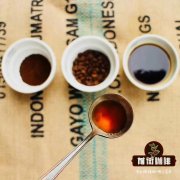
How to quote Yunnan Coffee details of Yunnan Coffee offer in 2018
Professional coffee knowledge exchange more coffee bean information please follow the coffee workshop (Wechat official account cafe_style) according to the current market data, emerging countries represented by China, Brazil, Russia, India and South Africa currently consume 20% of the world's coffee, and by 2020, this proportion will reach 35% Yunnan coffee trading center is located in China's main coffee producing areas.

The difference of roasting degree of Coffee beans and the characteristics of Coffee Bean roaster Design
Professional coffee knowledge exchange more coffee bean information please follow the coffee workshop (Wechat official account cafe_style) * the shallowest roasted coffee beans, generally known as cinnamon roasting degree, the highest temperature of the heart does not exceed 205 degrees Celsius, according to the caramelization degree of SCAA is # 95, at this time the appearance of coffee beans is very light brown, usually shown on the back

How does the sour and bitter in coffee come from?
Many thermal and chemical reactions take place during baking: decarbonation, dehydration of quinic acid, subdivision, isomerization, polymerization, and complex sugar reactions (caramelization).
This year 2018 Yunnan coffee bean purchase price list telephone quotation-introduction of coffee prices in various countries
2017 Coffee Bean purchase Price-introduction of Coffee prices in various countries solid backing for the development of the market industry according to the current market data, emerging countries represented by China, Brazil, Russia, India and South Africa currently consume 20% of the world's coffee. By 2020, this proportion will reach 35%. Yunnan coffee trading center is located in China's main coffee producing areas, its trump card is

How does the aroma of coffee beans come from? where does the aroma of coffee come from? why is it so fragrant?
Professional coffee knowledge exchange more coffee bean information please follow the coffee workshop (Wechat official account cafe_style) front street-coffee bean flavor chemistry introduction why so love coffee, in addition to caffeine refreshing and other effects, I think what makes you and thousands of coffee fans often miss coffee is its charming aroma, so how on earth did this aroma come from?

The relationship between baking pattern and flavor
Now, with the understanding of the relevant words in the previous parts, we will show you the relationship between the various baking patterns and baking depth of these anchovies, which will be introduced in terms of baking depth from shallow to deep. Again: you can also see summary-style simple reference information in the chart on page 8081 of this book. . The most lightly roasted coffee beans, commonly known as
Basic chemical reactions that occur during coffee roasting
Many thermal and chemical reactions take place during baking: decarbonation, dehydration of quinic acid, fragmentation, isomerization, polymerization, and complex sugar reactions (caramelization). The main thermally reactive components are monosaccharides and sucrose, chlorogenic acid, displaced amino acids, and trigonelline amide. Both aravinone and calactose in polysaccharides are transferred, and basic sulfurization contains hydroxyamino acids.
Baking Theory and debate of Coffee Bean roasting
Grab a handful of coffee raw beans smell, there is always a pungent smell, very different from the impression of the charming smell of coffee. However, after roasting "fragrance" correctly, raw beans will emit the strongest aroma in the world.

Can smell bottles cultivate the ability to distinguish the aroma of coffee? what is the origin of the aroma of coffee?
What substance does coffee aroma come from in 1926 Swiss scientist Reichstein and German scientist Stoldinger studied and found that 29 kinds of compounds such as furan, alkylpyrazine, Dione and furfuryl mercaptan are the main components of coffee aroma, among which furan compounds are the most important. The aromas of caramel, nuts, cream, almonds and fruits in coffee are all related to furan compounds. 1960 to present
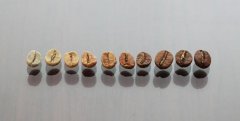
Do not drink unbaked coffee roasting degree
The heat of shallow roasting is mild, because the sour aroma of flowers and fruits is most preserved by fermentation, so it is easy to smell the sour aroma of coffee. If the baking continues, that is, from the end of the first explosion to the middle baking before the second explosion, or even the medium and deep baking from the first explosion to the second explosion, most of the sour aroma of the fermentation catalysis has been broken up, instead of the taste spectrum of the sugar browning reaction (Sugar Browning) and Mena reaction.
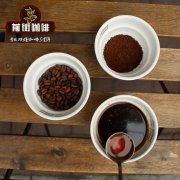
What chemical reaction changes will take place during the roasting process of coffee beans? What happened to the roasting of coffee beans
Professional coffee knowledge exchange more coffee bean information please follow the coffee workshop (Wechat official account cafe_style) coffee beans in the roasting process what chemical reactions will take place? What happened to the roasting of coffee beans? Sucrose: melting point 187.8 ℃-sugar? The conjugate = caramelization-water CO2 escapes to produce an explosive First Crack phenomenon. I measured the bean temperature 190 in the drum bean of the baking machine.
The basic chemical reaction of coffee roasting process
Many thermal and chemical reactions take place during baking: decarbonation, dehydration of quinic acid, subdivision, isomerization, polymerization, and complex sugar reactions (caramelization). The main components of the thermal reaction are monosaccharides and sucrose, chlorogenic acid, free amino acids, and fenugreek amide. Both aravinose and calactose in the polysaccharides are transferred, and the basic vulcanization contains hydroxylated amino acid.
Coffee roasting awakens the strongest aroma in the world
Grab a handful of coffee raw beans smell, there is always a pungent smell, very different from the impression of the charming coffee fragrance. However, after the raw beans are roasted correctly, they will give off the strongest fragrance in the world.
The basic chemical reaction that takes place during coffee roasting.
Many thermal and chemical reactions take place during baking: decarbonation, dehydration of quinic acid, subdivision, isomerization, polymerization, and complex sugar reactions (caramelization). The main components of the thermal reaction are monosaccharides and sucrose, chlorogenic acid, free amino acids, and fenugreek amide. Both aravinose and calactose in the polysaccharides are transferred, and the basic vulcanization process includes hydroxylamine.

The basic chemical reactions that take place during coffee roasting
Many thermal and chemical reactions take place during baking: decarbonation, dehydration of quinic acid, subdivision, isomerization, polymerization, and complex sugar reactions (caramelization). The main components of the thermal reaction are monosaccharides and sucrose, chlorogenic acid, free amino acids, and fenugreek amide. Both aravinose and calactose in the polysaccharides are transferred, and the basic vulcanization process includes hydroxylamine.
The basic chemical reaction of coffee knowledge during coffee roasting.
Many thermal and chemical reactions take place during baking: decarbonation, dehydration of quinic acid, subdivision, isomerization, polymerization, and complex sugar reactions (caramelization). The main components of the thermal reaction are monosaccharides and sucrose, chlorogenic acid, free amino acids, and fenugreek amide. Both aravinose and calactose in the polysaccharides are transferred, and the basic vulcanization process includes hydroxylamine.

Basic chemical reactions of coffee beans during coffee roasting
Many thermal and chemical reactions take place during baking: decarbonation, dehydration of quinic acid, subdivision, isomerization, polymerization, and complex sugar reactions (caramelization). The main components of the thermal reaction are monosaccharides and sucrose, chlorogenic acid, free amino acids, and fenugreek amide. Both aravinose and calactose in the polysaccharides are transferred, and the basic vulcanization process includes hydroxylamine.

The basic chemical reactions that take place during coffee roasting
Many thermal and chemical reactions take place during baking: decarbonation, dehydration of quinic acid, subdivision, isomerization, polymerization, and complex sugar reactions (caramelization). The main components of the thermal reaction are monosaccharides and sucrose, chlorogenic acid, free amino acids, and fenugreek amide. Both aravinose and calactose in the polysaccharides are transferred, and the basic vulcanization process includes hydroxylamine.

The basic chemical reactions that take place during coffee roasting.
Many thermal and chemical reactions take place during baking: decarbonation, dehydration of quinic acid, subdivision, isomerization, polymerization, and complex sugar reactions (caramelization). The main components of the thermal reaction are monosaccharides and sucrose, chlorogenic acid, free amino acids, and fenugreek amide. Both aravinose and calactose in the polysaccharides are transferred, and the basic vulcanization process includes hydroxylamine.